
Project Description
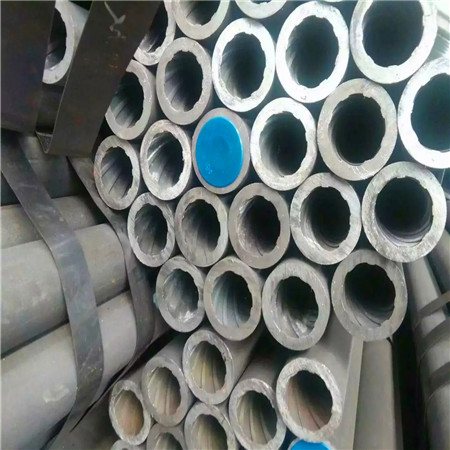
Standard Internal Ribbed Boiler Tubes
Product Description
Internal ribbed tubes are primarily used in the water-cooled walls of boiler furnaces in power plants. They serve as the main heat exchange components, utilizing spiral protrusions on the inner wall to create rotation of the water inside. This disrupts the film effect during heat transfer, achieving nucleate boiling. These tubes are categorized into standard internal ribbed tubes and optimized internal ribbed tubes.
Standard internal ribbed tubes are available in Type A and Type B with a helical angle of 30°. Compared to conventional round tubes, they increase heat transfer efficiency by approximately 30%.
Current Grades of Steel Produced
20G, SA210C, SA210A1, 15CrMoG, 12Cr1MoVG, T2, T12, T23, T91
Standards Implemented (Partial List):
- GB5310-2008, GB/T 20409-2006: Seamless steel tubes for high-pressure boilers with internal ribs
- ASME SA-210M-2015
- ASME SA-213M-2015
Specification Range:
- Outer Diameter: Φ22mm ~ Φ82.6mm
- Wall Thickness: 4.0mm ~ 16.0mm
Ribbed tube ordering data
Ribbed tube is ordered by outside diameter, wall thickness, rib type and grade — not by weight, because the rib draws material from the wall. State the rib type (A or B) and, where the boiler OEM has one, attach the tube drawing so that rib height, lead and start count are rolled to the drawing rather than to a generic profile.
| Standards | GB 5310-2008; GB/T 20409-2006; ASME SA-210M; ASME SA-213M |
| Rib profile | Type A or Type B, 30° helix angle; rib height and lead confirmed against the mill drawing before rolling |
| Grades | 20G, SA210A1, SA210C, 15CrMoG, 12Cr1MoVG, T2, T12, T23, T91 |
| Outside diameter | 22 mm – 82.6 mm |
| Wall thickness | 4.0 mm – 16.0 mm (wall measured at the rib root) |
| Length | 6 – 12 m random, cut to order |
| Delivery condition | Normalized or as-rolled, depending on grade |
| Testing | Hydrostatic test, eddy current, ultrasonic; tensile and flattening per the ordering standard |
| Certificate | EN 10204 3.1 mill certificate; 3.2 and third-party inspection on request |
Wall thickness is checked at the rib root, which is the thinnest section and the one the design pressure is calculated against. Ask for the wall measurement positions to be recorded on the inspection report if the tubes are going into a pressure part.